
Key Takeaways
- Scaffold on roof systems provide essential fall protection and safe working platforms for construction workers on elevated surfaces
- Australian safety standards mandate edge protection for falls over 2 meters, making roof scaffolding legally required for most roofing projects
- Modern roof scaffold systems include modular designs, edge protection barriers, and specialized steep-slope solutions that accommodate roof pitches from 22-45 degrees
- Professional roof scaffolding eliminates the need for additional harnesses and positioning equipment while providing weather protection and material storage
- Quality roof scaffold systems are made from galvanized steel components and can be installed quickly without damaging roof surfaces
Working at height presents significant risks in construction projects, with falls from roofs accounting for thousands of injuries annually. Every construction site faces the challenge of ensuring worker safety while maintaining productivity and efficiency. A properly designed scaffold on roof system transforms dangerous elevated work into a secure, manageable environment where workers can perform tasks with confidence and protection.
The importance of roof scaffolding extends beyond basic safety compliance. These systems create stable working platforms that enable precise work, provide weather protection, and offer secure material storage solutions. Understanding the various scaffold options, safety requirements, and installation considerations helps construction professionals make informed decisions that protect workers while ensuring project success.
What is Scaffold on Roof
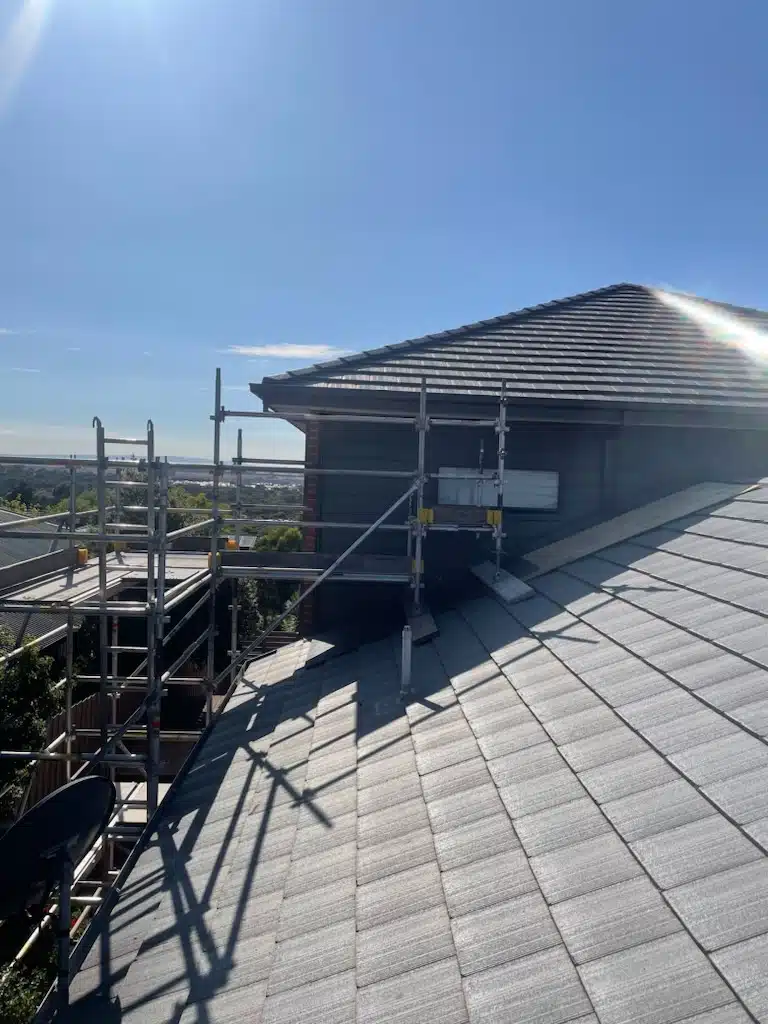
A scaffold on roof refers to temporary structures designed to provide safe working platforms and comprehensive fall protection on elevated surfaces. These systems create secure environments that allow construction workers to perform roofing, maintenance, and construction work without the constant risk of falling. Unlike traditional ladder-based approaches, roof scaffolding offers stable, level surfaces that reduce fatigue and increase work precision.
The primary function of roof scaffolding is to offer passive fall protection that eliminates the need for harnesses and positioning equipment. Workers can move freely within the protected area, focusing on their tasks rather than constantly managing safety equipment. This approach significantly reduces the risk of accidents while improving overall workplace productivity.
Modern scaffold systems also provide substantial weather protection benefits. The elevated platforms and barrier systems create sheltered work areas that protect both workers and materials from wind, rain, and other elements. This protection prevents project delays and maintains work quality even in challenging conditions. Additionally, these systems offer secure material storage capabilities, allowing tools and supplies to be positioned safely within easy reach of workers.
The scaffold structure itself consists of carefully engineered components designed to withstand significant weight loads while maintaining stability on various roof types. These systems are built to support multiple workers simultaneously along with their tools and materials, creating efficient work environments that enhance overall project outcomes.
Types of Roof Scaffolding Systems
The construction industry offers several distinct scaffold on roof solutions, each designed to address specific working conditions and safety requirements. Understanding these different types helps contractors select the most appropriate system for their particular roofing projects and site conditions.
Edge Protection Systems
Edge protection systems represent the most fundamental form of roof safety equipment, specifically designed to prevent falls over 2-meter heights. These barrier protection systems create secure perimeters around roof edges, providing essential safety compliance for construction workers. The systems feature customized solutions tailored to specific worksite requirements, ensuring optimal protection regardless of roof configuration or building design.
These systems maintain compliance with Australian safety standards and regulations while offering cost-effective solutions that balance safety and quality standards. The modular design allows for quick installation and adaptation to various roof shapes and sizes, making them versatile options for contractors working on diverse projects.
Edge protection systems typically include adjustable components that accommodate different roof pitches and building configurations. The barriers are designed to withstand impact forces and provide reliable protection even in adverse weather conditions, ensuring consistent safety performance throughout project duration.
Steep Slope Scaffold Solutions
Specialized steep-slope scaffold systems address the unique challenges of working on roofs pitched between 8/12 and 14/12. These ridge-mounted systems offer free-floating platforms that eliminate traditional roof jack requirements while providing stable working surfaces on challenging angles.
The OSHA-compliant designs support various roofing materials including slate, tile, asphalt, and metal roofs without compromising structural integrity. The lightweight construction eliminates the need for nailing into shingles, preserving roof waterproofing while providing secure working platforms.
These systems feature adjustable rail assemblies that adapt to various roof pitch configurations, ensuring proper fit and optimal safety performance. The design allows workers to access difficult areas safely while maintaining the stability needed for precision work on steep surfaces.
Safety Requirements and Standards
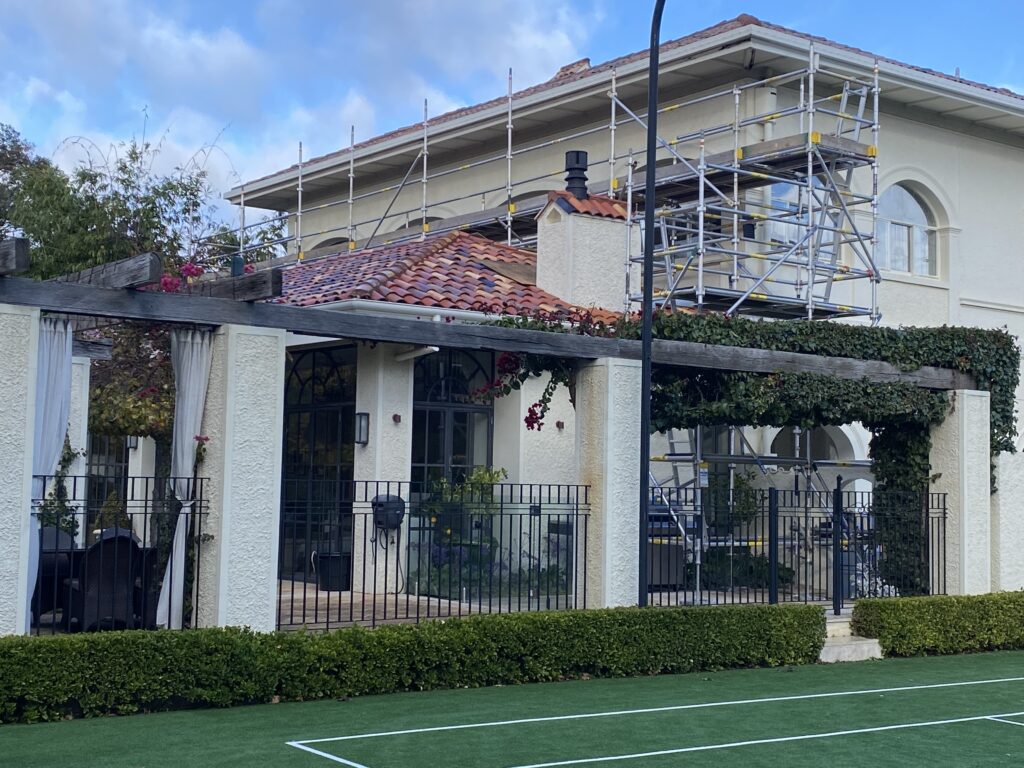
Australian safety regulations establish mandatory protection requirements for falls over 2 meters, creating legal obligations that make roof scaffolding essential for most elevated construction work. These requirements reflect both legal obligations and moral responsibilities that construction companies have toward worker safety and workplace protection.
The regulatory framework emphasizes risk reduction strategies that prioritize efficient task performance while maintaining comprehensive safety protocols. Compliance with these standards not only protects workers but also shields companies from liability issues and potential legal complications arising from workplace accidents.
OSHA compliance standards for roof scaffold systems provide detailed guidelines for system design, installation, and use. These standards specify load requirements, structural specifications, and safety protocols that ensure consistent protection across different project types and working conditions. Industry best practices for fall protection and edge safety build upon these minimum requirements to create even more robust safety environments.
Proper implementation of safety standards requires regular training for all workers who will use scaffold systems. This training covers proper setup procedures, safe working practices, and emergency protocols that help prevent accidents and ensure appropriate responses when issues arise. Companies that invest in comprehensive safety training typically experience significantly lower accident rates and improved overall project outcomes.
The importance of safety compliance extends beyond regulatory requirements to encompass productivity benefits. Workers who feel secure and protected are more efficient and produce higher quality work. This improved performance often offsets the cost of safety equipment, making proper scaffold systems economically beneficial investments rather than mere compliance expenses.
Key Components and Installation
Modern scaffold on roof systems utilize galvanized steel H-beams, ridge beams, and eaves beams for structural support that provides reliable strength and durability. These components are engineered to withstand significant loads while maintaining stability across various roof types and working conditions. The galvanized steel construction offers excellent corrosion resistance, ensuring long-term reliability even in harsh weather environments.
Adjustable contractor brackets and handrail supports provide customization capabilities that allow systems to adapt to different roof configurations and project requirements. These components enable precise fitting that ensures optimal safety performance while accommodating the unique characteristics of each building and work site.
Sheet tension bars, ratchet straps, and quick release pins secure the system components while allowing for efficient setup and breakdown. The compact folding design facilitates easy transport and quick onsite installation, reducing labor costs and setup time. This efficiency helps contractors maintain project schedules while ensuring comprehensive safety protection.
The system design prioritizes roof surface protection, maintaining waterproofing integrity throughout the installation period. Specialized mounting techniques distribute weight evenly across roof structures without requiring penetrations that could compromise building envelope performance.
Installation Process
The installation process begins with careful assessment of roof structure and material type to ensure appropriate mounting techniques and weight distribution. Step-by-step setup procedures vary depending on roof types and pitches, but all installations prioritize structural integrity and worker safety.
Ridge mounting techniques avoid crushing vents or damaging roof surfaces while providing secure anchor points for scaffold systems. The installation process includes rail assembly adaptation for various roof pitch configurations, ensuring proper fit and optimal safety performance regardless of roof angle.
Weight distribution considerations ensure that scaffold loads are properly supported by underlying roof structures without creating stress concentrations that could cause damage. Professional installation teams understand these requirements and can adapt their techniques to protect both workers and building integrity.
Benefits and Applications
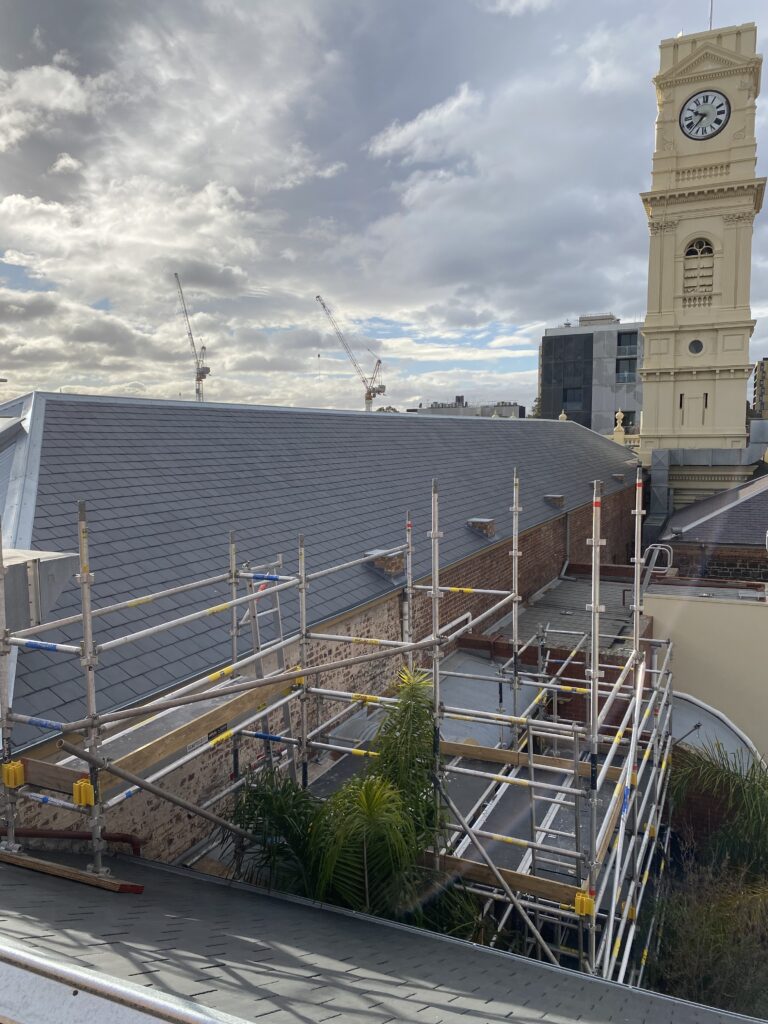
Enhanced worker safety represents the primary benefit of professional scaffold on roof systems, significantly reducing injury risks and fatalities associated with elevated work. These systems create controlled environments where workers can focus on their tasks without constant concern about fall hazards, leading to improved work quality and reduced stress.
Weather protection provided by scaffold systems prevents project delays and quality issues that often arise from exposure to wind, rain, and other environmental factors. The sheltered work areas maintain consistent working conditions that enable precise work even during challenging weather periods.
Efficient material transport and storage capabilities streamline work processes by positioning tools and supplies within easy reach of workers. This accessibility reduces time spent climbing up and down ladders or roofs to retrieve materials, significantly improving overall productivity and project efficiency.
The improved work precision available on stable scaffold platforms leads to higher quality outcomes in roofing projects. Workers can position themselves optimally for detailed work, resulting in better installations and fewer callbacks for correction work. This precision is particularly valuable for complex roofing materials like slate or tile that require careful handling and placement.
Professional contractor and DIY enthusiast applications both benefit from modern scaffold systems, though the complexity of installation and safety requirements often make professional setup advisable for larger or more complex projects. The versatility of these systems makes them valuable investments for contractors who work on diverse project types.
Choosing the Right Roof Scaffold System
Assessment factors including roof pitch, material type, and project scope determine the most appropriate scaffold solution for each specific application. Understanding these variables helps contractors select systems that provide optimal safety and efficiency while meeting budget constraints and project timelines.
Compatibility considerations for tile, iron, slate, and metal roofing require different mounting approaches and weight distribution techniques. Each material type presents unique challenges that must be addressed through proper system selection and installation techniques to avoid damage while ensuring adequate protection.
Load capacity requirements and weight distribution needs vary significantly depending on the number of workers, tools, and materials that will be supported simultaneously. Professional-grade systems provide detailed specifications that help contractors calculate appropriate capacity margins for their specific applications.
Budget considerations must balance cost-effectiveness with safety standards to ensure adequate protection without unnecessary expense. While initial costs may seem significant, the safety benefits and productivity improvements often justify the investment through reduced insurance costs, fewer accidents, and improved project efficiency.
Professional installation versus DIY setup capabilities depend on system complexity and project scope. While some modular systems are designed for straightforward installation, complex projects or challenging roof configurations typically benefit from professional setup to ensure proper safety compliance and structural integrity.
Maintenance and Storage
Regular inspection protocols for galvanized steel components ensure continued reliability and safety performance throughout the system’s service life. These inspections identify potential issues before they compromise safety, allowing for timely repairs or component replacement that maintains system integrity.
Proper storage techniques for modular scaffold systems protect components from damage and corrosion while ensuring easy access for future projects. Organized storage systems reduce setup time and help prevent loss of critical components that could delay project starts.
Component replacement schedules and maintenance requirements vary depending on usage intensity and environmental exposure. Establishing proactive maintenance programs helps extend system life while ensuring consistent safety performance across multiple projects.
Transportation considerations benefit from the compact folding features of modern scaffold systems. These design elements reduce shipping costs and storage space requirements while enabling efficient deployment to multiple job sites. Contractors who work across wide geographic areas particularly value these transportation efficiencies.
FAQ
Do roof scaffold systems damage shingles or roofing materials?
Quality roof scaffold systems are designed to mount over ridges and distribute weight properly without requiring nails or fasteners that could damage shingles, maintaining roof waterproofing integrity. The systems use specialized brackets and supports that rest on structural elements rather than penetrating roof surfaces, ensuring that the building envelope remains intact throughout the project duration.
What roof pitches can scaffold systems accommodate?
Modern modular systems typically support roof pitches from 22-45 degrees, while specialized steep-slope systems handle pitches between 8/12 and 14/12, with rail assemblies adapting to various configurations. The adjustable components allow for precise fitting that ensures proper safety performance regardless of roof angle, making these systems versatile solutions for diverse architectural applications.
How much weight can roof scaffold rails support?
Professional-grade galvanized steel scaffold systems support significant weight loads including workers, tools, and materials, with specific capacity ratings varying by manufacturer and system design. Most systems are engineered to handle multiple workers simultaneously along with typical construction equipment, providing substantial safety margins that ensure reliable performance under normal working conditions.
Are roof scaffolds required by law for all roofing projects?
Australian safety standards mandate edge protection for falls over 2 meters, making roof scaffolding legally required for most elevated roofing work, with specific requirements varying by jurisdiction. These regulations reflect comprehensive safety frameworks designed to protect workers and reduce construction-related injuries, making compliance both a legal obligation and a practical necessity for responsible contractors.
Can roof scaffold systems be installed without professional help?
While some modular systems are designed for both professional contractors and DIY enthusiasts, complex installations or large projects typically benefit from professional setup to ensure proper safety compliance and structural integrity. Professional installation teams understand the nuances of different roof types and can adapt their techniques to provide optimal protection while avoiding potential damage to building structures.